

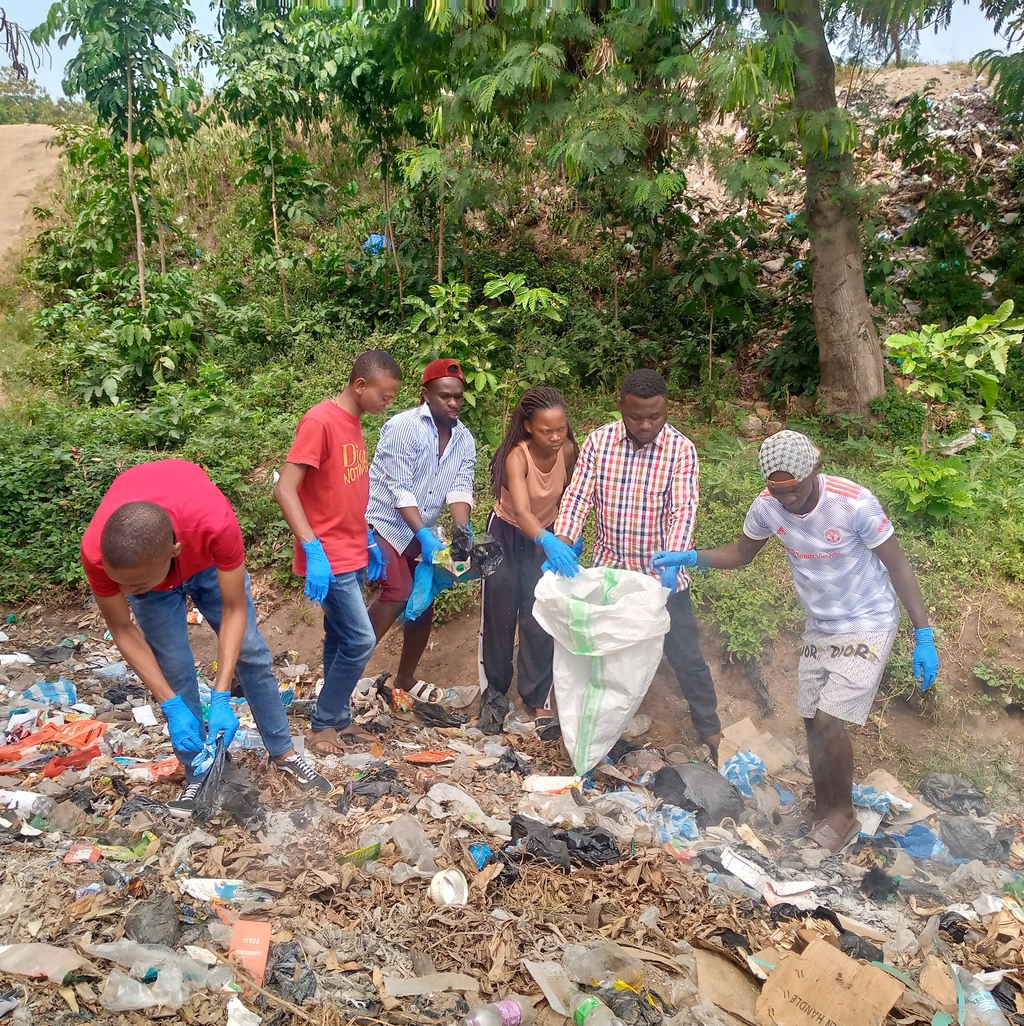
For thousands of years, many countries and people have always not been bothered with plastic pollution. And currently, in the Sub-Saharan Africa enough plastic waste to cover a football pitch is openly dumped or burned every minute. More than 60% of the people in Uganda don’t know that plastic pollution is dangerous to our lives, land and water. It’s clearly known that plastics take 20-500years to decompose. That means that, our land and water where these plastic materials are dumped will yield nothing and as a result carbon will be much in the atmosphere the fact that sequestration will be low. Micro-plastics that we drink in water, take through food particles and end up in our bodies are dangerous to human life. Through different interventions, we ensure that we work with the community members to reduce plastic pollution, reuse different items that people use, and recycle the already used plastic materials. We work with different policy makers and stakeholders to see that the fight against plastic pollution is a success.
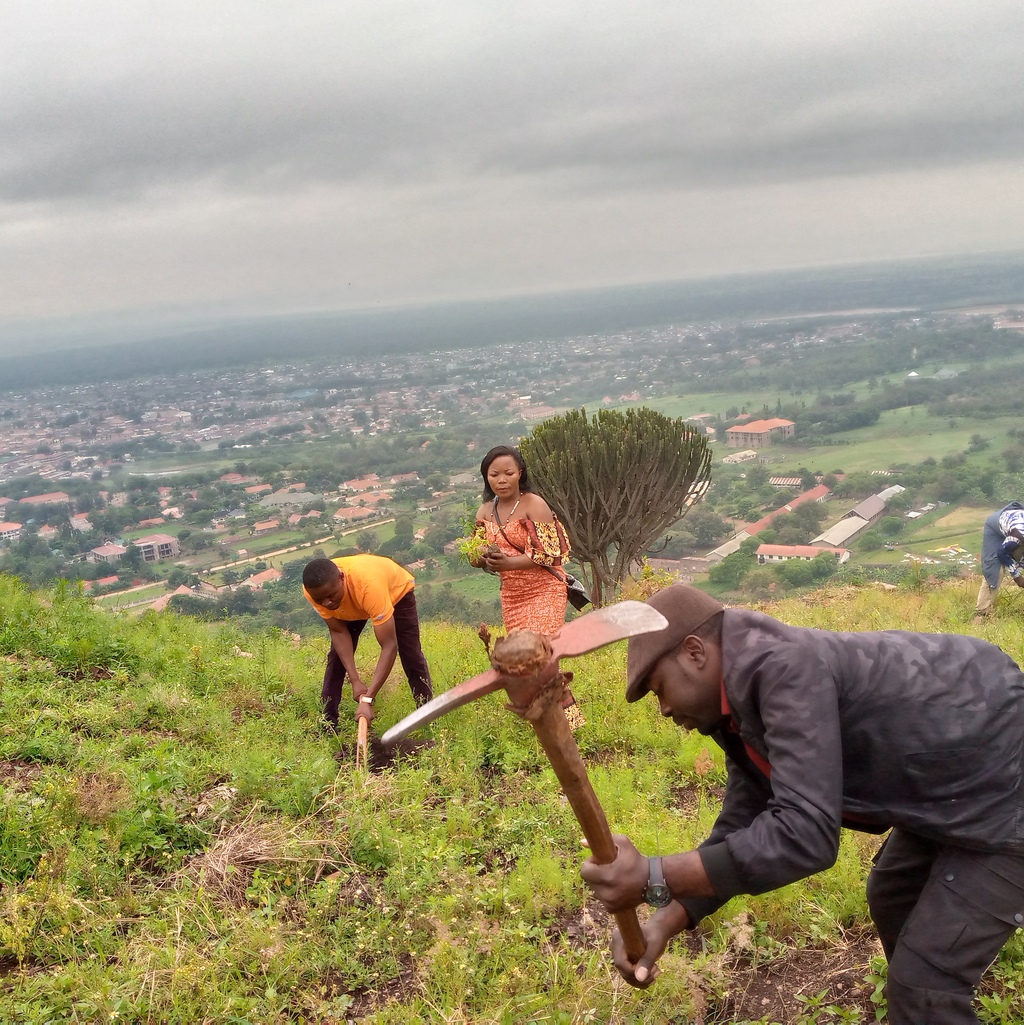
The rate at which trees are cut and logged in Uganda is increasing on a daily basis yet the trees planted are indeed less. Different people have cut trees for different reasons for instance firewood, charcoal, timber, and space for agriculture and settlement. All these have threatened our environment whereby prolonged periods of drought and erratic rainfalls have become frequent due to massive deforestation. Uganda has lost 41% of its forest cover in the last 100 years (1921-2021), and in the most recent 20 years, over a million hectares of tree cover (nearly a third of the country’s total) has been lost.
Our efforts are highly put on creating awareness on tree planting, identifying farmers with land, training them and giving them trees to plant, as well as ensuring that the planted trees reach maturity. While planting trees, our major focus is on native species.
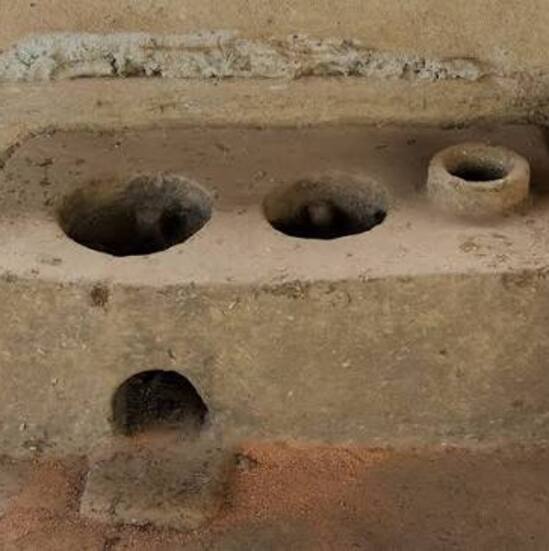
In most developing countries, firewood is the main source of energy. Traditional cook stoves (often 3 stones laid on the ground) consume a lot of wood and produce toxic smoke, which particularly affects women and children, and causes approximately 4.3 million deaths
worldwide each year. And for Sub- Saharan Africa alone, 600,000+ lives are lost annually due to exposure to toxic smoke. The use of traditional cook-stoves consumes about 100 billion woman-hours annually in wood collection and generates as many as 600+ million metric tons annually in CO2 emissions. Much of our efforts here are put on mobilizing and training community members on using clean energy solutions that are fuel efficient in order to reduce deforestation.
Our team works very hard with different categories of people in the country to
mitigate climate change and create a just, clean energy future and resilient, thriving communities for all. We are currently training women on making local energy saving cook stoves that use both briquettes, little firewood and different other wastes in order to reduce on the usage of firewood and charcoal.
Hunger continuesto threaten vulnerable households across Sub-Saharan Africa, where many families rely on smallholder farming despite declining soil fertility, erratic rainfall, high input costs, and limited access to sustainable agricultural knowledge. To address this challenge, we work with local farmers to improve food security through practical, community-based organic farming methods.
We promote the use of compost, farmyard manure, mulching, crop rotation, intercropping, and biological pest control to restore soil health and reduce reliance on costly chemical inputs. These practices enhance soil structure, conserve moisture, and increase productivity in a climate-resilient way. Through farmer training, demonstration plots, and peer learning, we encourage long-term adoption of sustainable techniques. As a result, households are able to grow diverse, nutritious food, generate income from surplus produce, and strengthen their resilience to climate-related shocks.
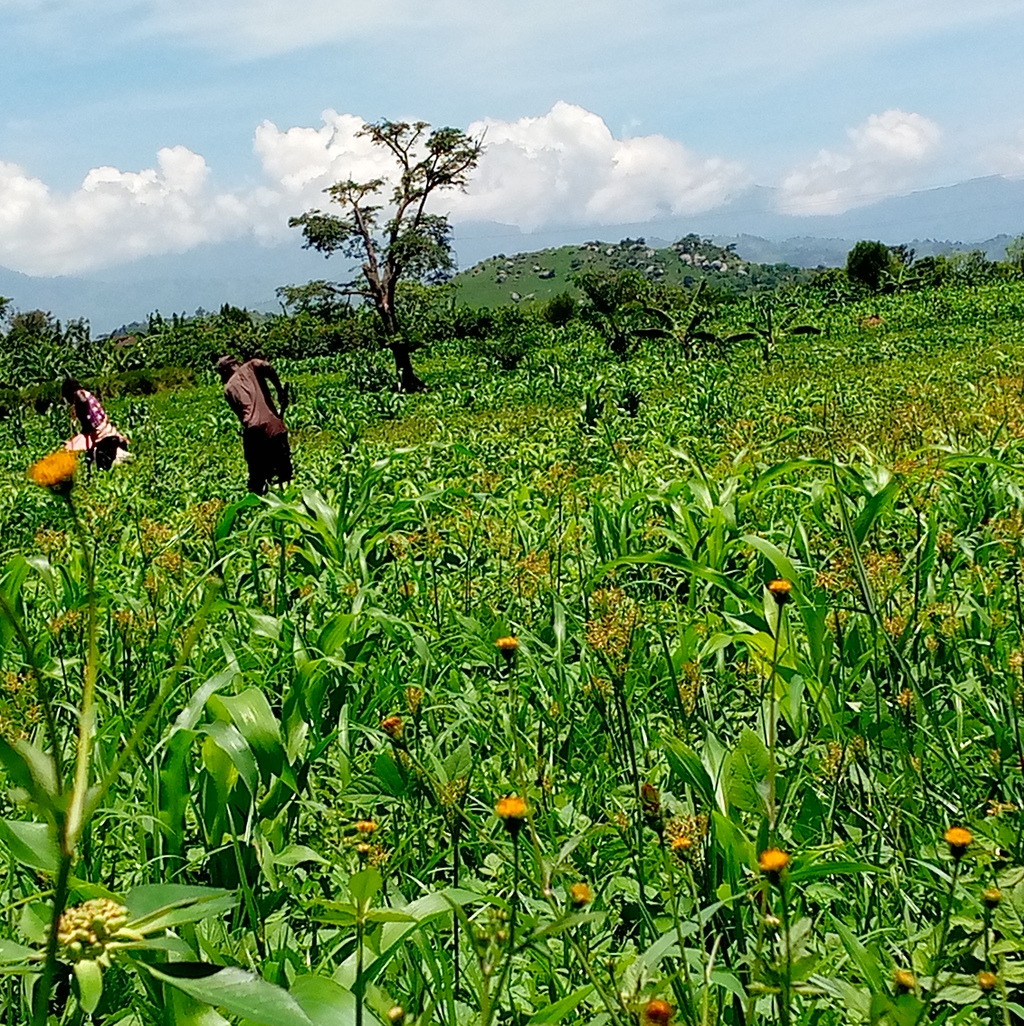
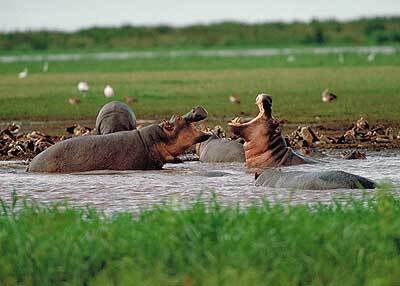
We actively collaborate with local communities to promote the protection and safeguarding of wildlife and natural habitats. Recognizing that conservation is most effective when communities are directly involved, we support awareness programs that highlight the ecological, cultural, and economic importance of biodiversity. Through community dialogues, environmental education, and partnership with local leaders, we encourage responsible land use and reduce activities that threaten wildlife, such as poaching and habitat destruction.
We also promote sustainable livelihood alternatives that lessen pressure on forests and protected areas, ensuring that conservation efforts align with community well-being. By strengthening local stewardship, improving reporting mechanisms, and fostering shared responsibility, we help build a culture of environmental care. Our approach ensures that wildlife conservation becomes a community-owned priority, contributing to ecosystem balance and long-term sustainable development.